
How to Sew French Terry Fabric

This post may contain affiliate links.
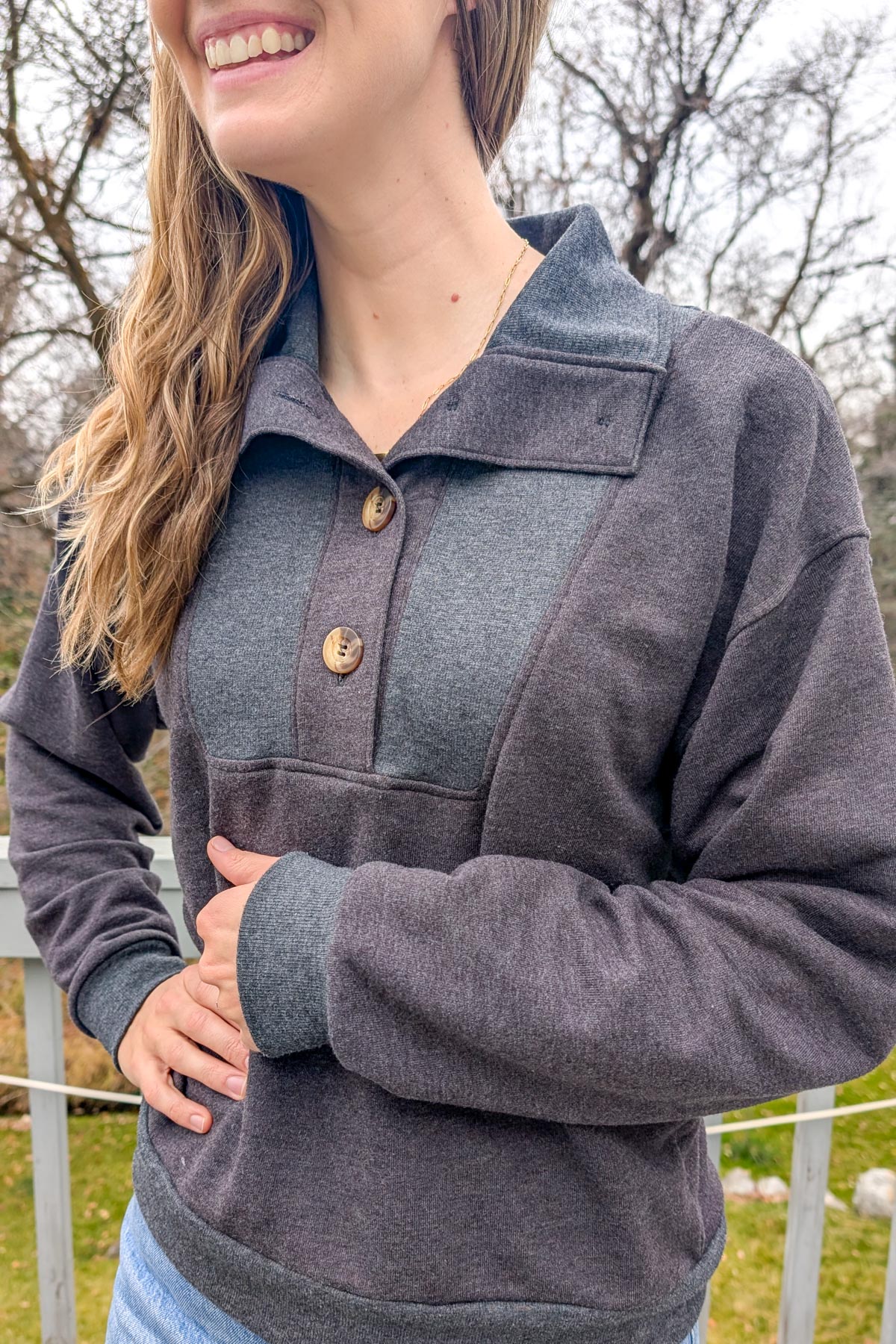
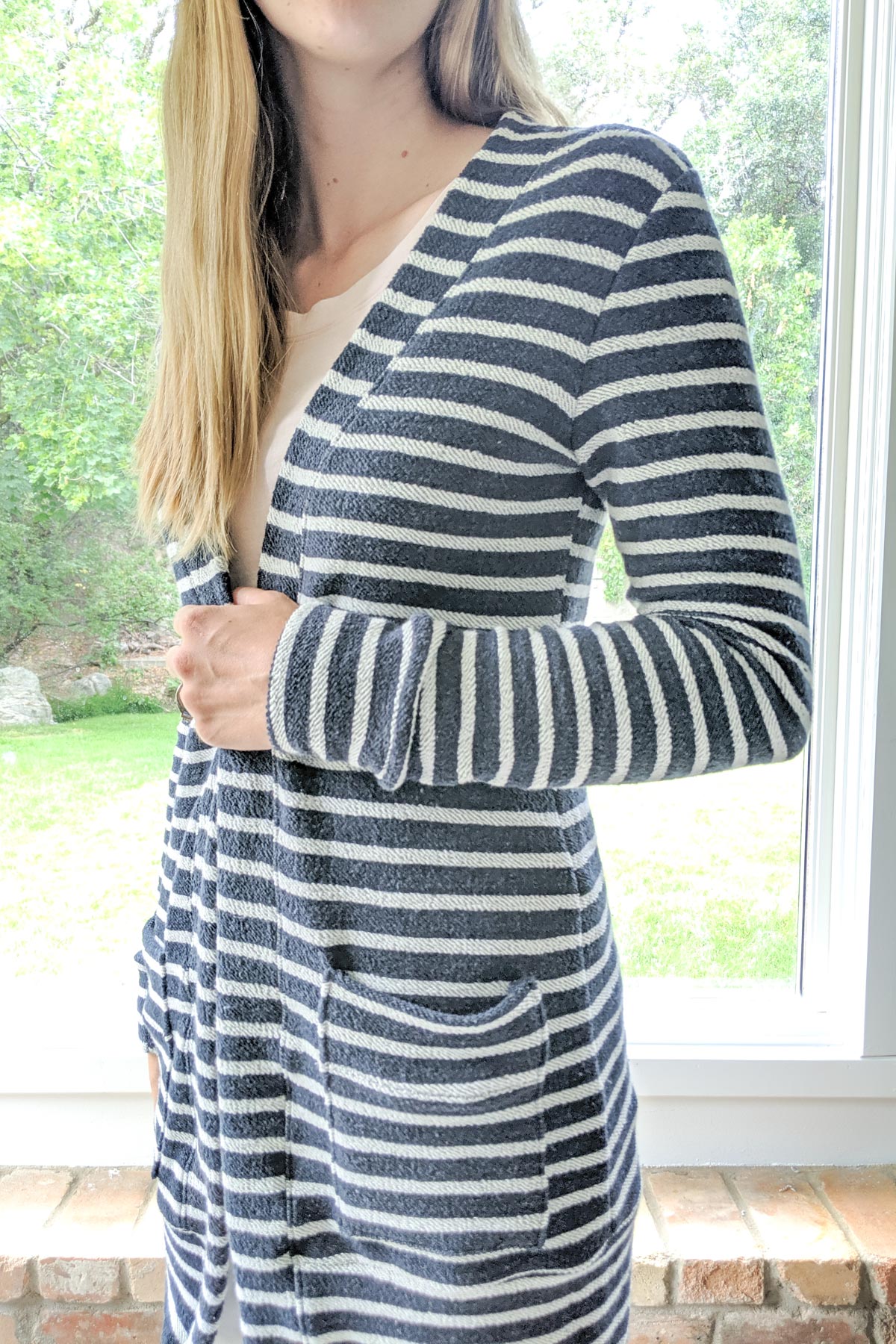
French terry is a great fabric to sew and wear, and it comes in lots of weights and fibers. Learn how to sew French terry fabric and how to care for it.
One of my favorite fabrics to sew and wear is French terry. When I first heard about it years ago I thought everyone was talking about fabric used for towels. Now that I know more and have used lots of different kinds, I can teach you tips to sew French terry!
What is French Terry?
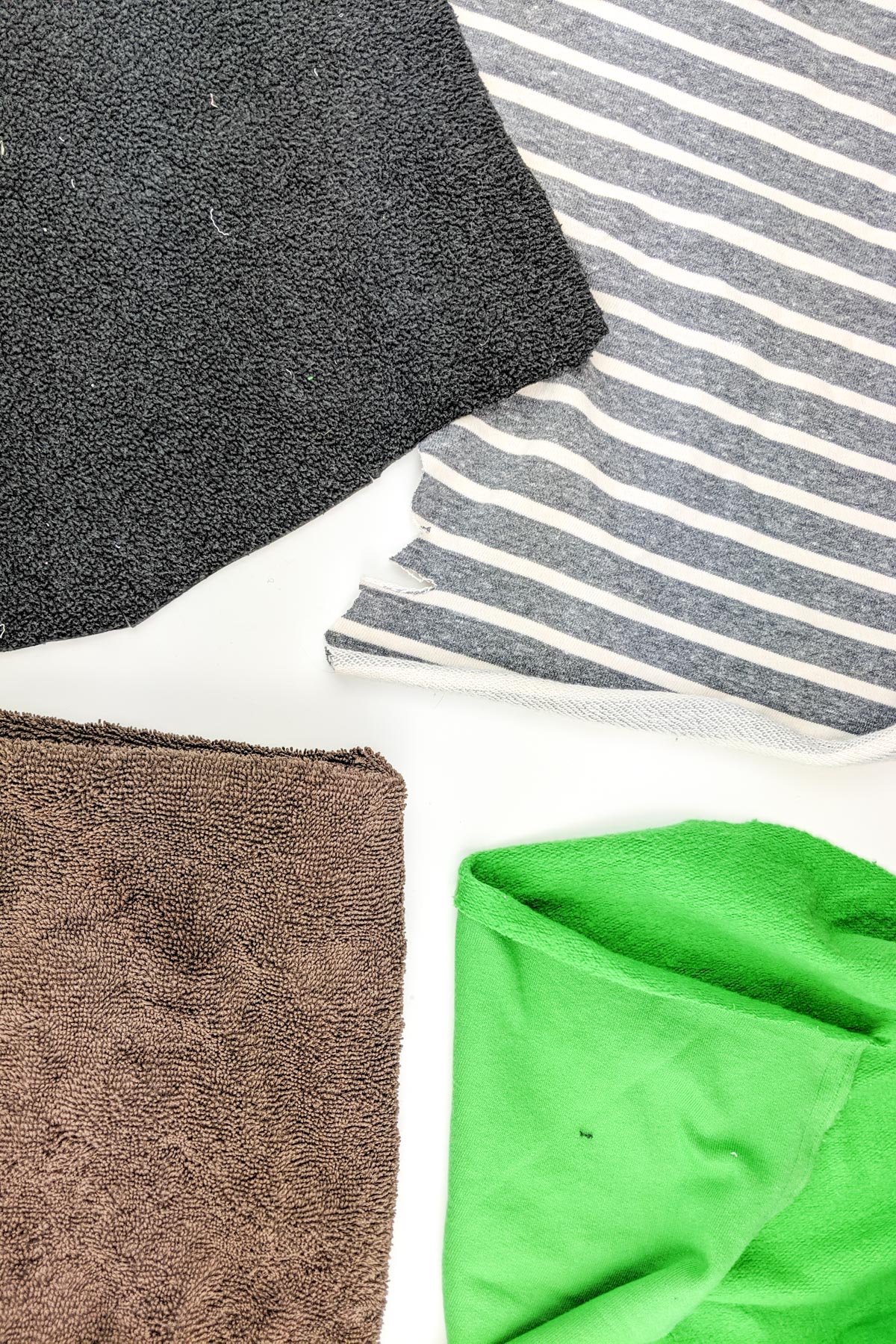
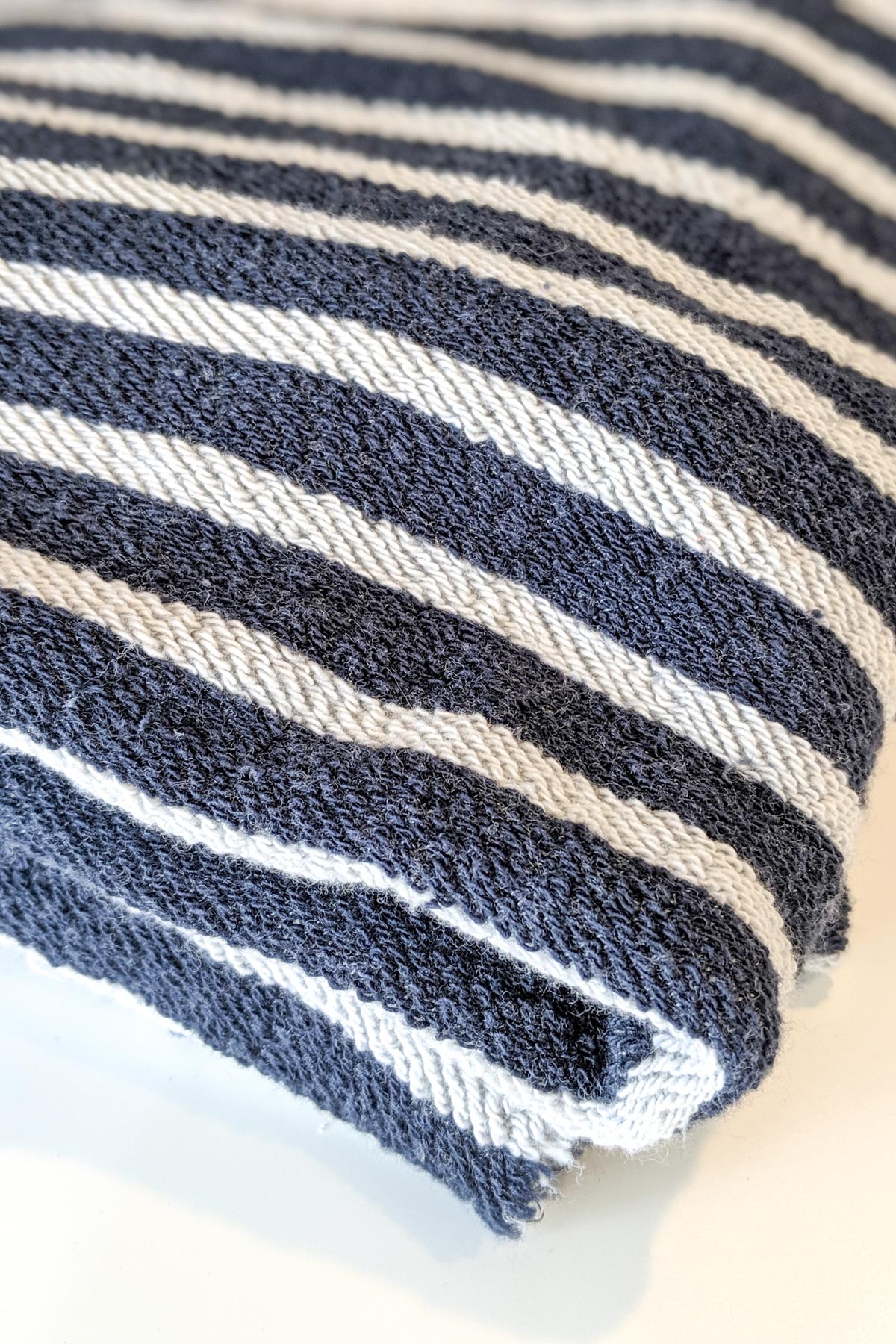
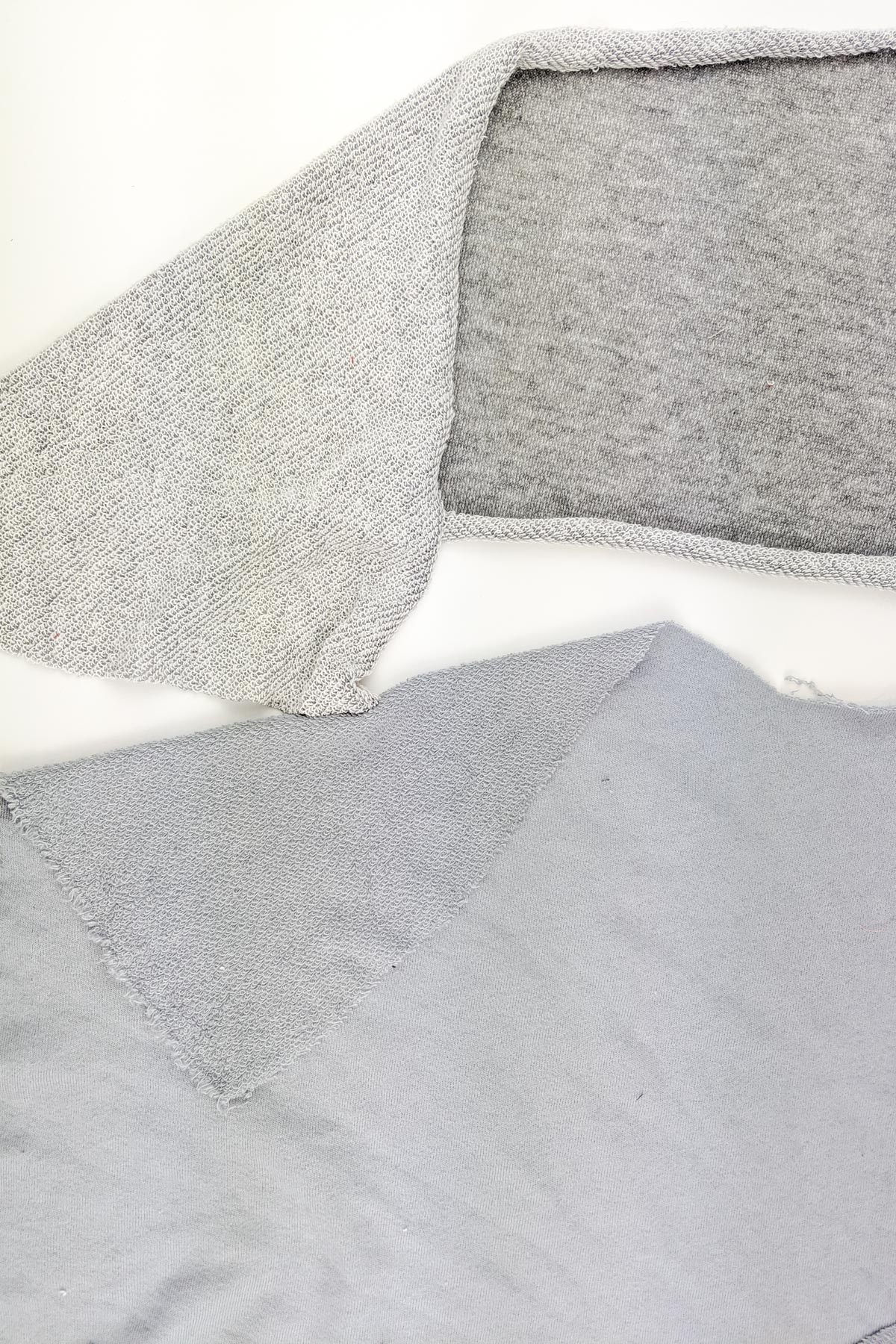
French terry is a knit fabric and not a woven fabric. The front of the fabric is a single knit jersey with a bunch of “V”s. The back of the has lots of loops across the whole fabric. The loops go horizontally across the width of the fabric. The loops are really good at holding the warm air next to your skin keeping you warm.
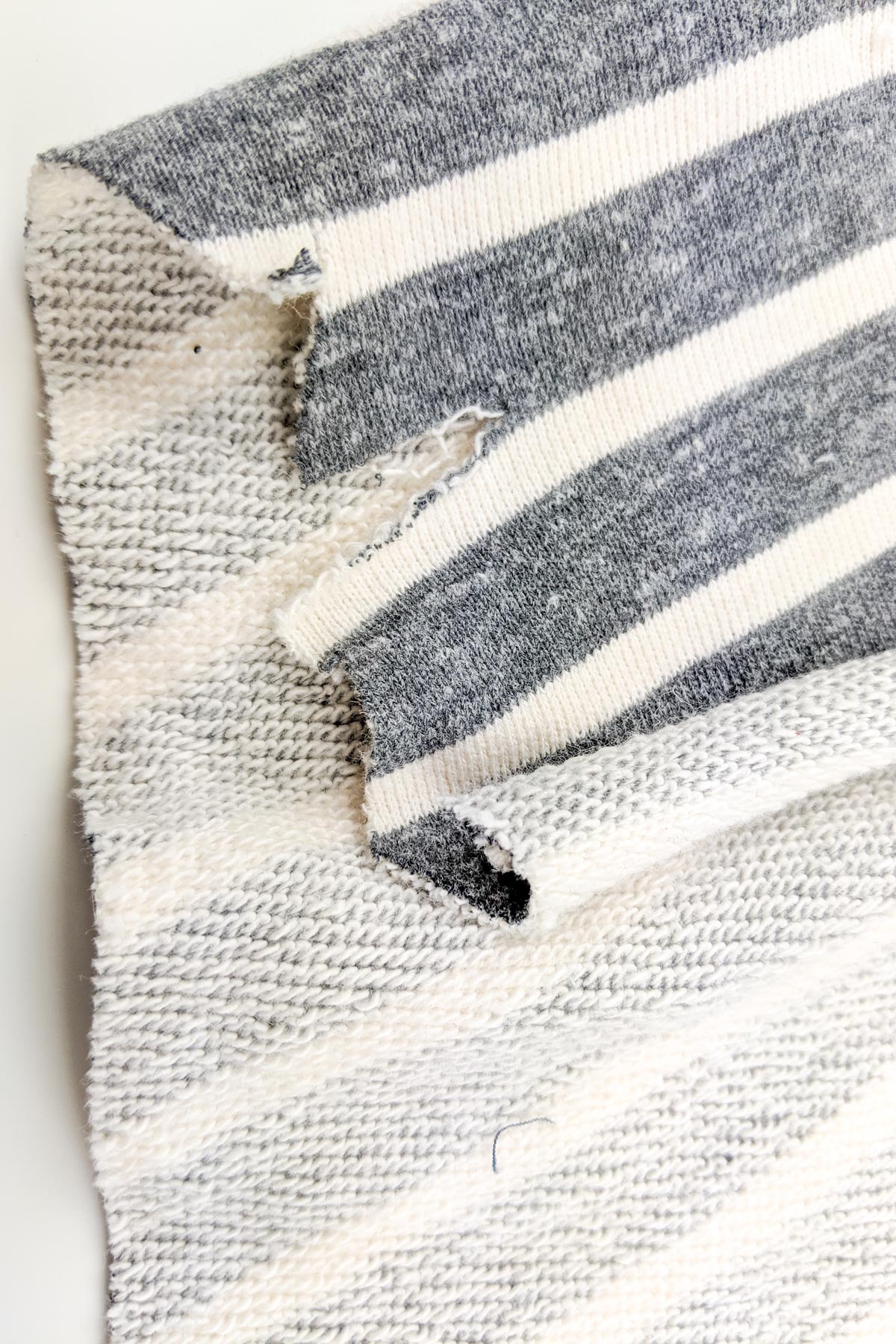
French terry is a great fabric for all season. The stretch makes it comfortable to wear and the loops along the back keep you warm. There are lots of differents weights of French terry fabric so you can get lighter weight fabric for warmer months and heavier weight fabric for colder months.
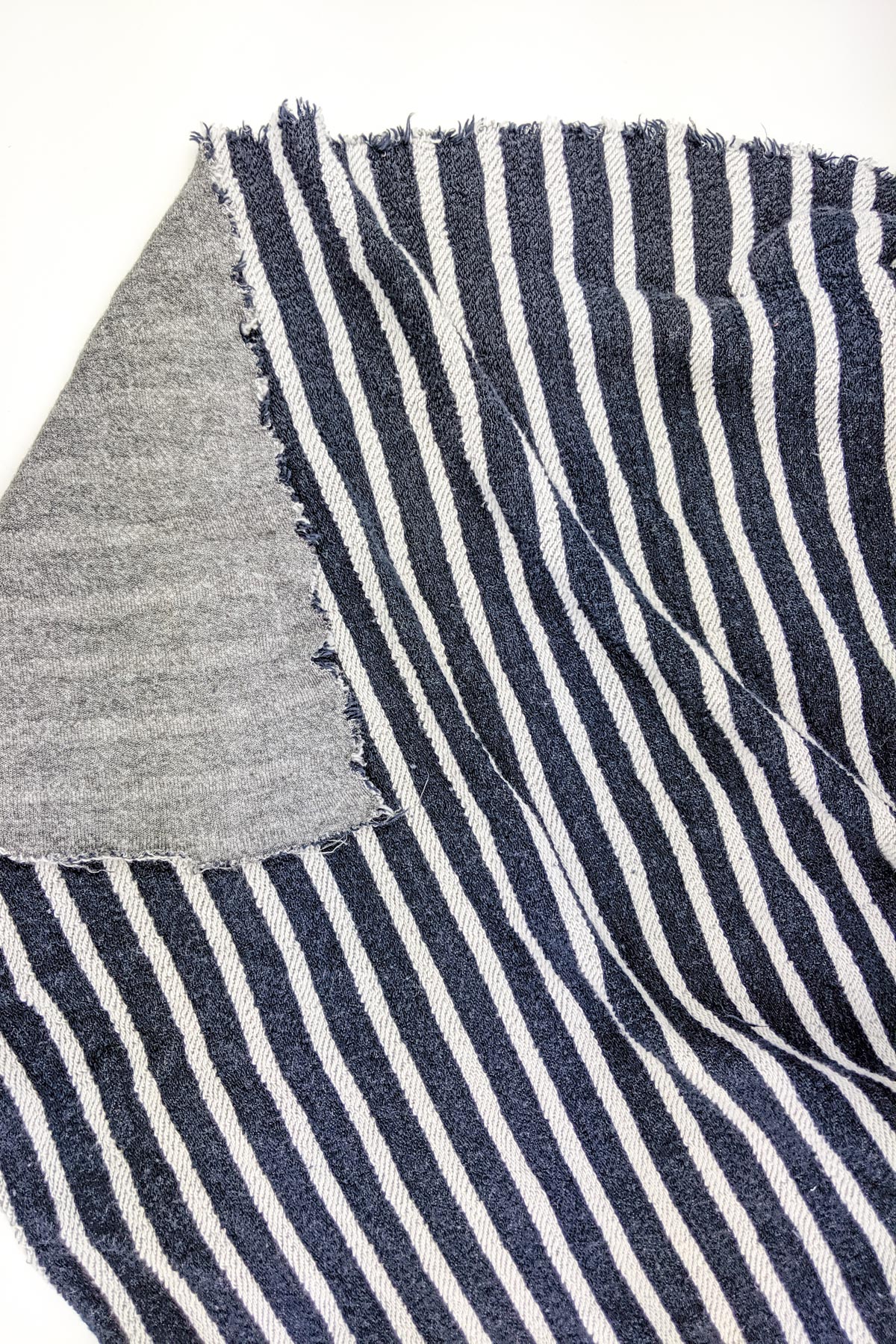
The print is usually on the right side of the fabric, but sometimes it’s on the loop side like the fabric below.
French terry can have 4 way stretch meaning it stretches in both directions or it can have 2 way stretch meaning it’s a stable knit and only stretches horizontally.
What is the difference between French Terry and Fleece?
Polar fleece is 100% polyester. Both sides are a fuzzy and almost have a brushed look. It is very warm and holds in heat. It has is a 2 way stretch meaning it only stretches horizontally.
What is the difference between French Terry and Sweatshirt fleece or sweatshirting?
Sweatshirt fleece can come in different blends and is often 100% cotton or 50%/50% cotton polyester. The front side is a single knit jersey and the back side is brushed and fuzzy. It is usually 2 way stretch meaning it only stretches horizontally.
What is the difference between French Terry and Jersey?
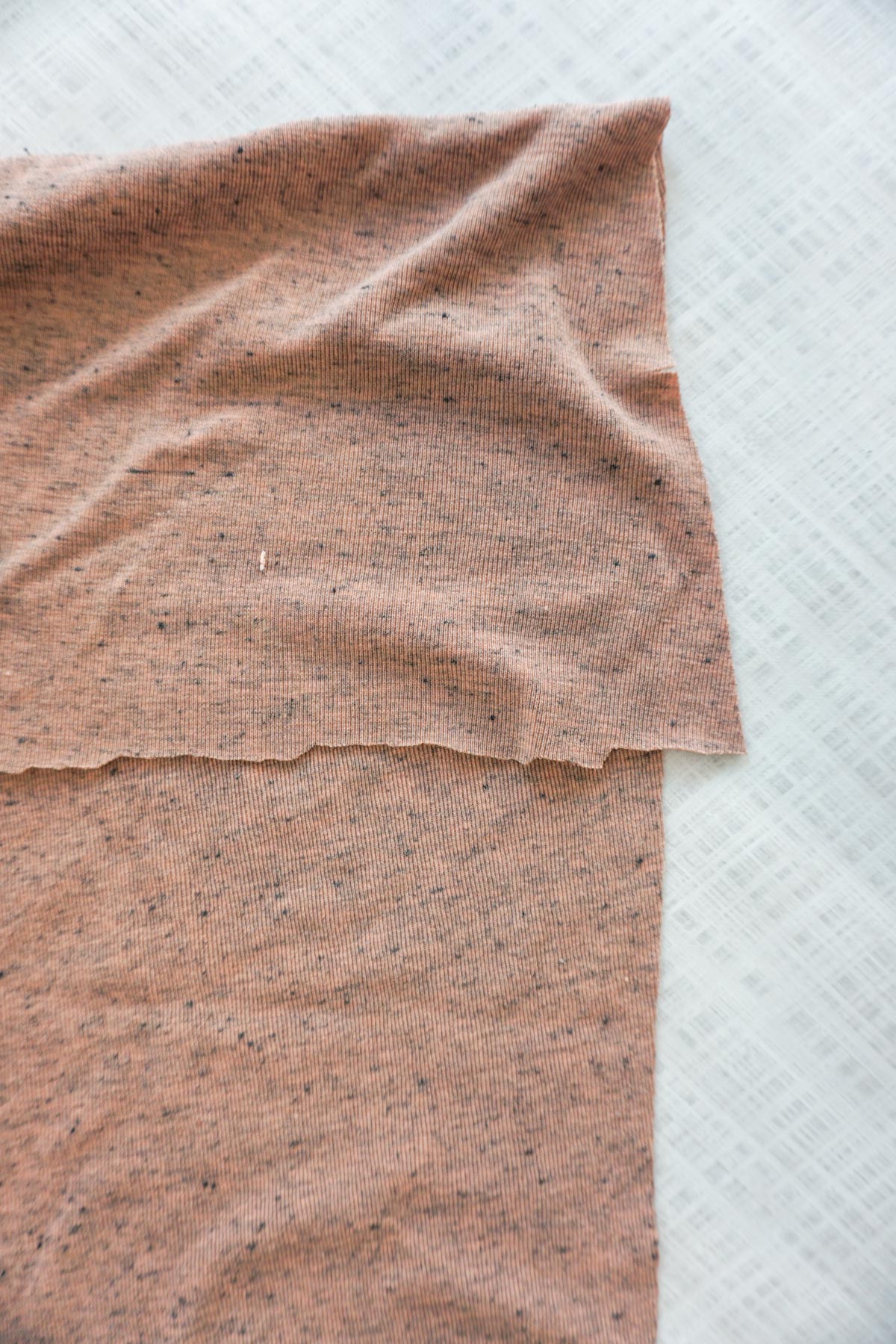
Jersey is a knit fabric made with loops going in and out of each other. The front has “V’s” all over the front and “M’s” all over the back. Jersey is a lightweight knit fabric. It’s most often used for t-shirts and knit dresses.
It is usually a 4 way stretch fabric. Check out these tips for sewing jersey fabric
What is the difference between French Terry and Terry cloth?
Terry cloth is a woven non-stretch fabric with loops on both sides. It’s towel fabric and wouldn’t be that comfortable to wear. It’s also medium to heavy weight.
French terry is a knit fabric with loops on one side and smooth on the other side. It can be lightweight or medium weight.
What is the difference between French Terry and interlock?
Interlock knit fabric is a double knit fabric which means it looks the same on the front and the back. It can be either a 2 way stretch fabric or a 4 way stretch fabric. It is a light to medium weight knit fabric. It is usually used to make shirts and dresses.
What is the difference between French Terry and Ponte de Roma?
Ponte de Roma knit fabric is a double knit fabric which means it looks the same on the front and the back. It is a 2 way stretch fabric and pretty stable to sew with. It is a very smooth fabric without being shiny.
It is a medium weight knit fabric. It is usually used to make jackets and pants. If you get good Ponte de Roma fabric is can look nice and last for a long time.
How do you wash French Terry?
Follow the directions for care for the fabric. I like to wash my fabric the way I would wash it after wearing it.
To test my fabric I usually cut two pieces of fabric four inches by four inches. I wash and dry one, and then I compare it to the original. If I’m okay with the result I’ll wash and dry the fabric before sewing it.
How to Choose the Right Weight for French Terry Fabric
Lightweight 180–220 GSM
This weight of French Terry fabric is thin, has some drape, and it is breathable. It is best for lightweight tops, lightweight layers, and summer loungewear. I don’t often sew with this weight because I find it too lightweight.
Medium Weight or Standard 230–320 GSM
This French terry fabric is the best weight for French terry. A medium weight is my go-to and favorite French terry fabric to purchase and sew. It’s thick enough to have quality and substance, but it’s light enough to move and stretch all day. This is best for all season hoodies, joggers, and basic loungewear.
Heavyweight 330–400 GSM
This French terry is thick and heavy. It is dense, structure, and it has a lot of body. It will hold it’s shape instead of draping. This is best for heavyweight hoodies and cold weather sweatshirts.
Ultra-Heavyweight 450–500+ GSM
This is uncommon to find. It’s very thick and very heavy. It creates boxy look since it stand away from the body. It’s thick and harder to sew. It’s for oversized and thick winter loungewear.
Sewing French Terry Fabric
I usually work with medium weight French terry. Depending on the weight of the French terry, I treat it like a lightweight knit or a medium weight knit fabric. I use these techniques for sewing knit fabric.
Use a ballpoint or jersey sewing machine needle. This won’t cut that fabric as you’re sewing, the ballpoint is slightly less pointy so it just pushes through or around the threads.
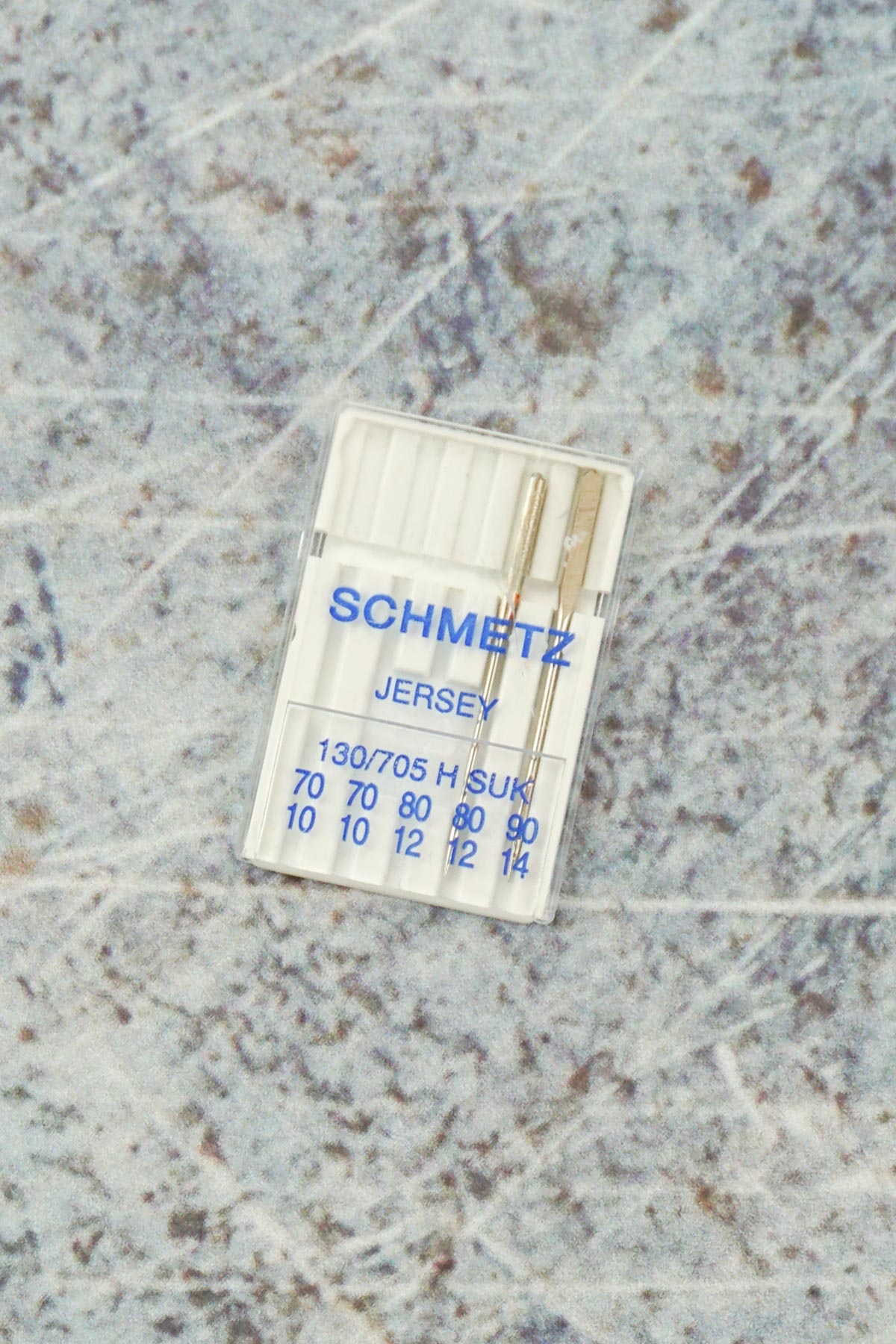
Use a stretch stitch when you sew like a zigzag stitch or a serger. My preference is to use a serger.
Don’t push or pull the fabric when sewing. You want the sewing machine feed dogs to feed the fabric through and the correct speed.
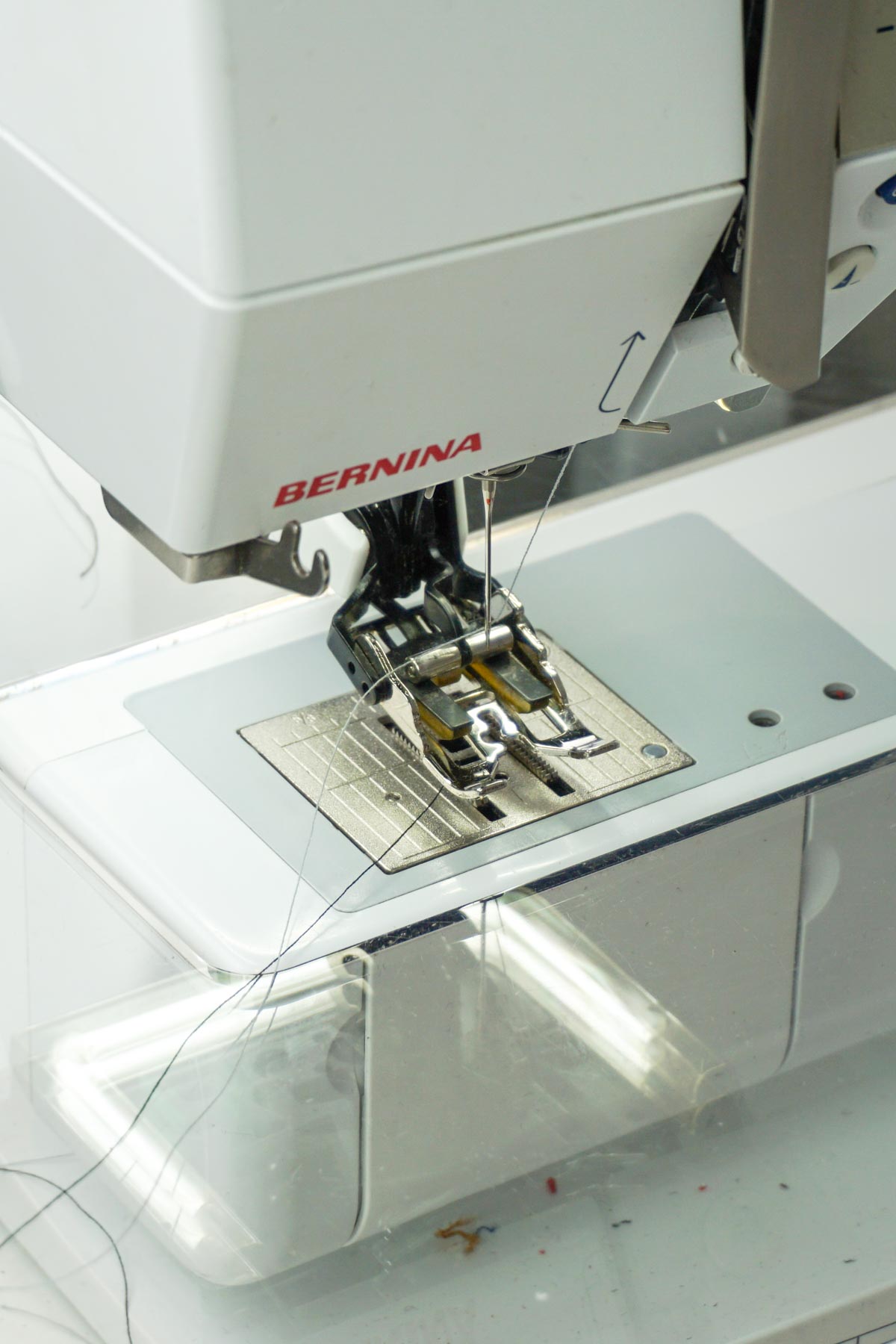
If you still have a problem with French terry fabric getting wavy seams or edges you can also use a walking foot to feed the fabric through the sewing machine at the same speeds.
Hemming French Terry
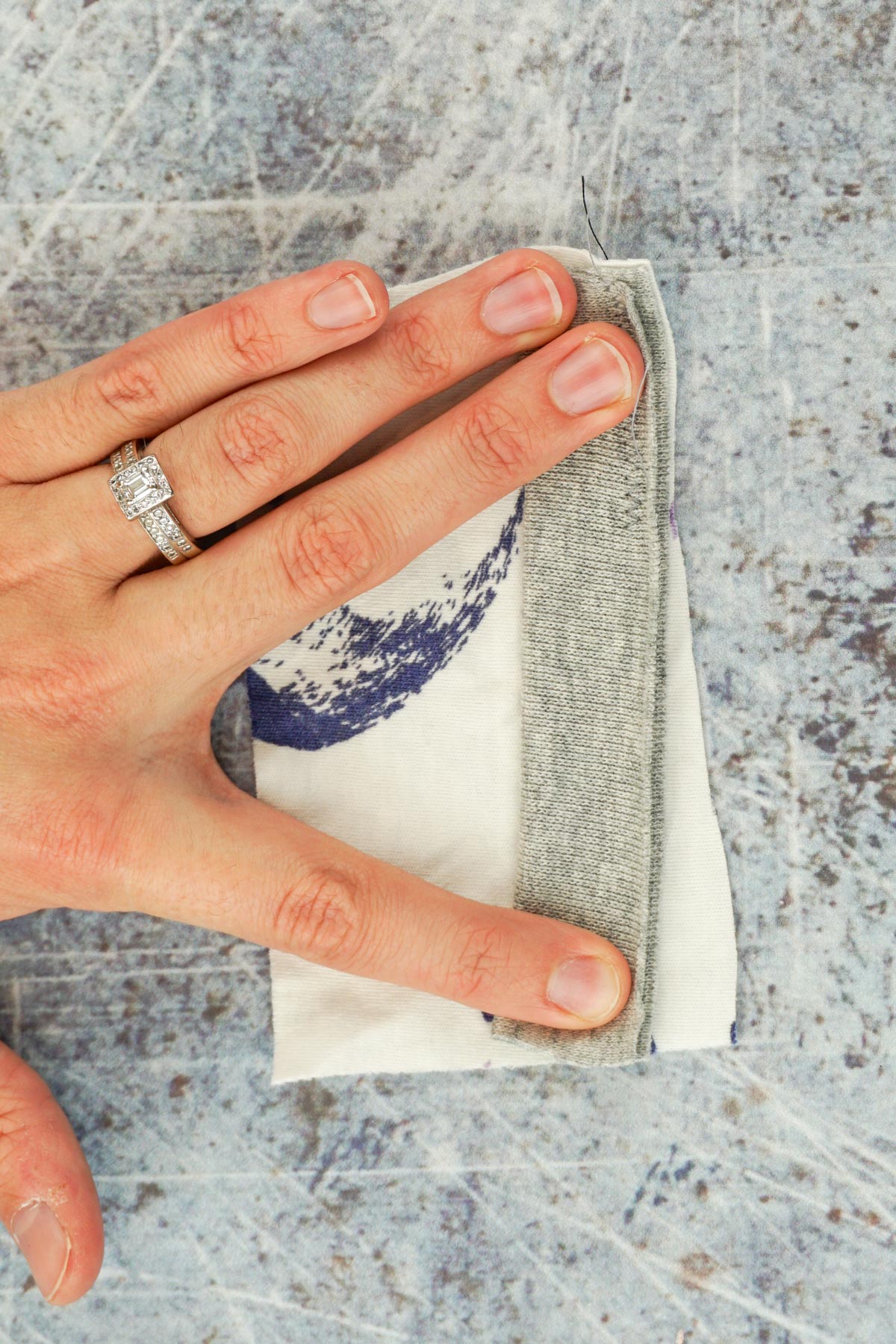
To hem the French terry I finished the edges with bands and cuffs or I use a hem tape.
French terry is stretchy so if you sew it on a horizontal line, the sewing can stretch out the seam. That’s why you add cuffs and bands and they are 80% smaller than the seam they are being sewn two. My favorite French terry sewing project is a sweatshirt that has a neckband, cuff, and waistband because I can make it completely on my serger.
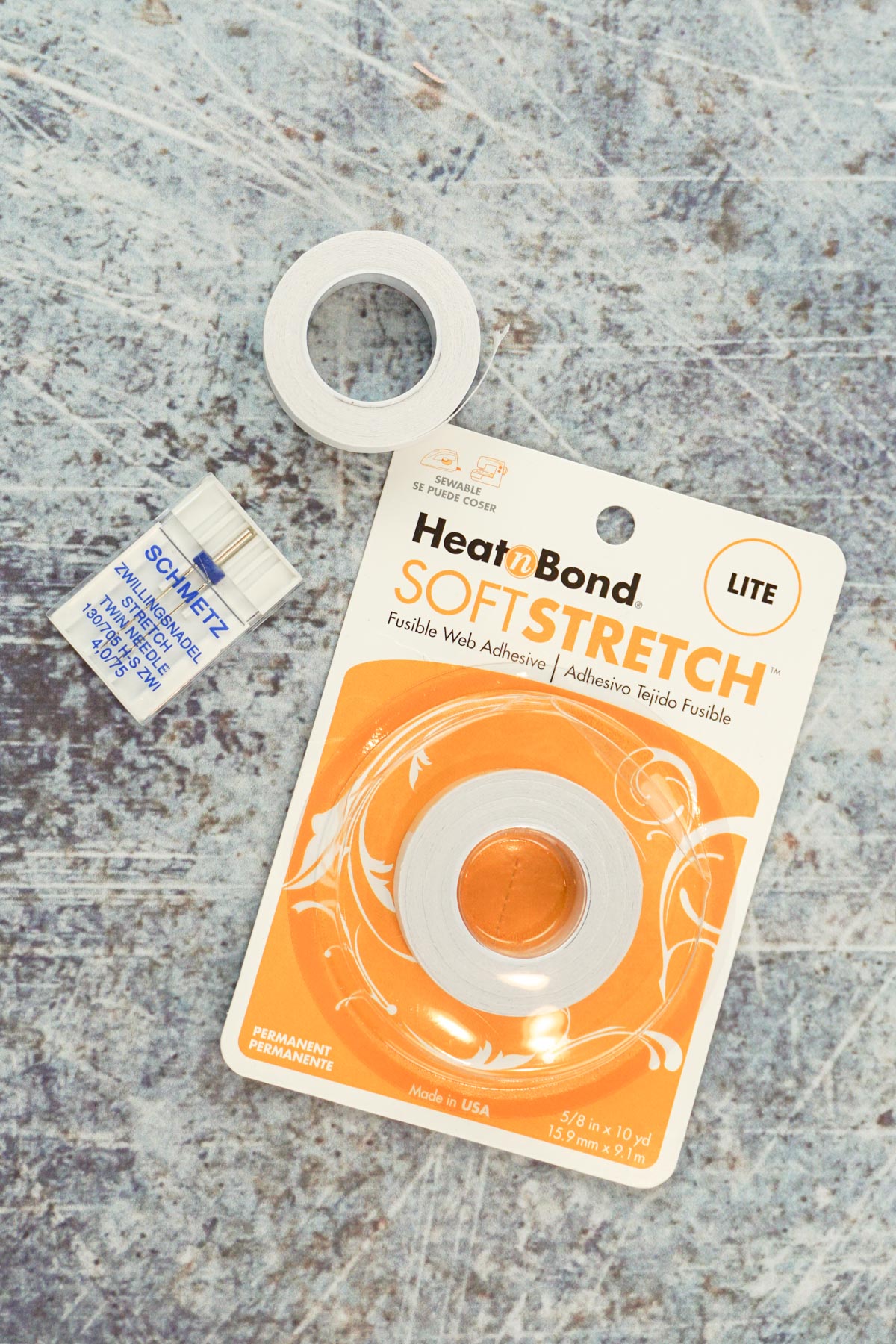
If you are hemming the French terry, I add HeatnBond Softstretch hem tape in the hem allowance. It gives the fabric just enough stability that I can sew the hem with a double needle for a beautiful finish.
The one drawback to sewing French terry fabric is that it’s hard to seam rip. You don’t want to rip any of the loops on the back, but it’s really hard to see your stitches. Try really hard to not make mistakes so you don’t have to unpick it.
Patterns for French Terry
I love to use French terry for warm cozy clothes, ear warmers, or comfy hats. These are just a few of the patterns that I love to sew with French Terry fabric:
- Everyday Set sewing pattern
- Squish stuffie sewing pattern
- Free ear warmer sewing pattern
- Free balaclava sewing pattern
- Free winter hat sewing pattern
- Free slipper sewing pattern

Where to Buy French Terry
There are different types of French Terry that I really enjoy using. I’ll link to each shop and what I like to buy there:
- Raspberry Creek Fabrics* – cotton spandex French terry: this fabric has the best recovery of any French terry, but it does not have a lot of drape. There are lots of prints to choose from, and they are always changing.
- Amazon – French terry*: the widest range of different types of French terry in one place. My favorite is the Telio brand or the bamboo rayon.
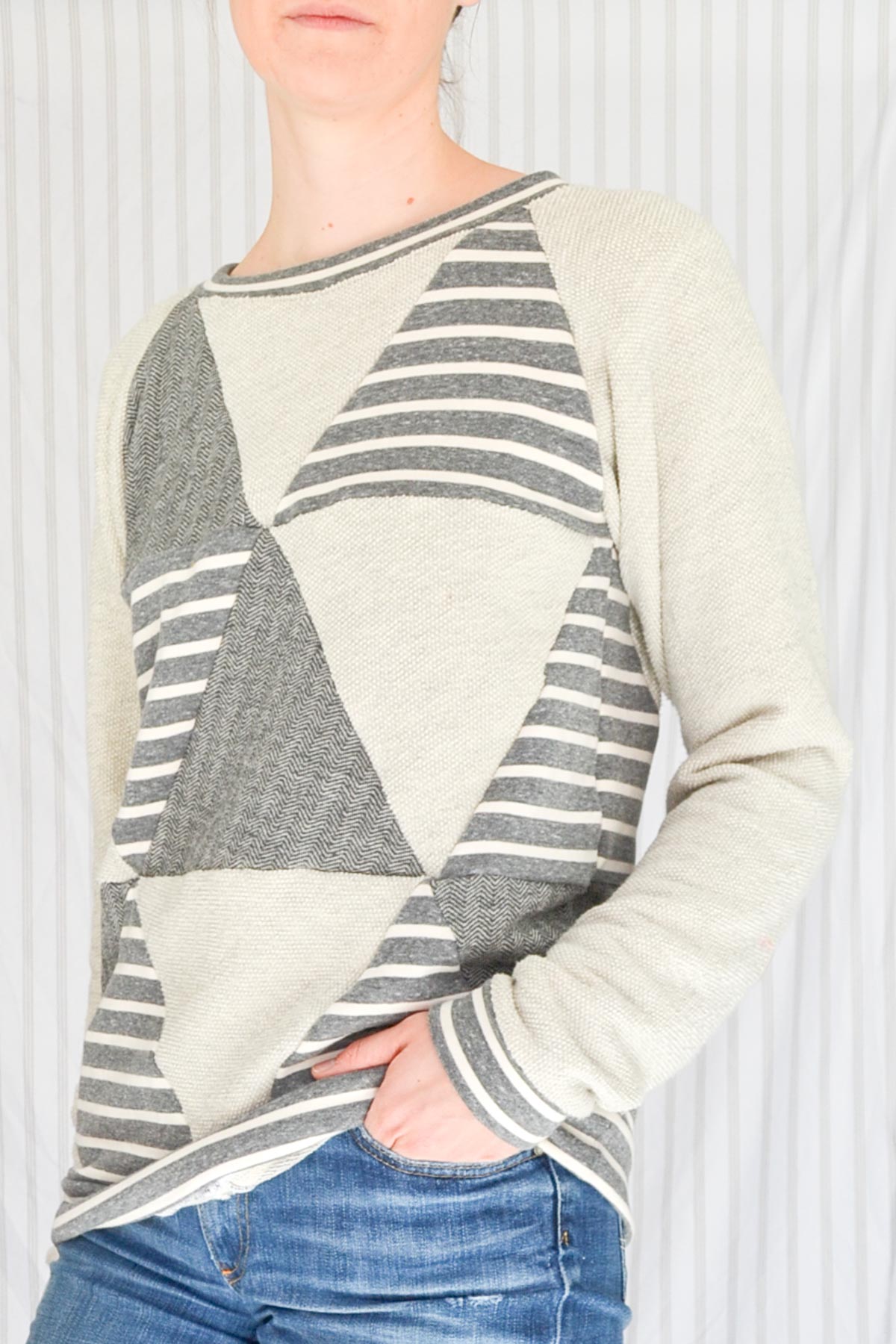
If you make something using this sewing project, I’d love to see! Please share it on social media with the hashtag #heatherhandmade and tag me!

I believe small sewing moments can create great joy. Find your own “right” way to sew. -Heather
I am struggling with French terry. I love it but it stretches at the end of a seam. Sometimes I have trouble starting a seam. I am using a Babylock triumph, turned differential down. I had two other fabrics I was fighting with so I went into my local store for help. One fabric I have given up on. The other was a thin bamboo. I used stay tape on every seam, took forever and it really doesn’t fit me. I can not imagine others are doing stay tape on every seam. The other suggestion was to use water soluble stabilizer. I was just testing a waffle knit, same issue. Any suggestions that might help will be greatly appreciated.
I wonder if you can use some of the tips in the post https://www.heatherhandmade.com/18-tips-for-sewing-lightweight-fabric/ like using spray starch, using tissue paper under your fabric when you sew, using a walking foot, etc. I also love using the Soft Stretch hem tape on all my knit hems.
Is that your pattern? I would love to have it if it’s available to purchase.
It is not my pattern but it is the Blackwood cardigan by Helen’s Closet https://helensclosetpatterns.com/product/blackwood-cardigan-pdf-pattern/
Thank you for this! I just bought four yards of French Terry and I am grateful for the info on using it. Cutting and washing a 4×4” piece of fabric to wash and dry before washing the whole piece of fabric is genius and I can’t believe I have never attempted it. I sew with a lot of knits and I usually hang dry them all, so this could be a game changer!
You’re welcome! I’m so glad!
Hi Heather, I’m trying to sew a onesie for a friend who chose a French Terry fabric and I’m having difficulty sewing the zipper. Looking for info and help I came accross this page. The fabric doesn’t stay straight and kind of warp. Would you have tips? Is there something special I have to do? I would very love to not have to seam rip for a third time.
It’s always tricky sewing something stiff like a zipper to a stretchy fabric like French terry. Add interfacing or wash away tape to the French terry just where the zipper is going to be to give stability to the fabric. This will prevent the warping!
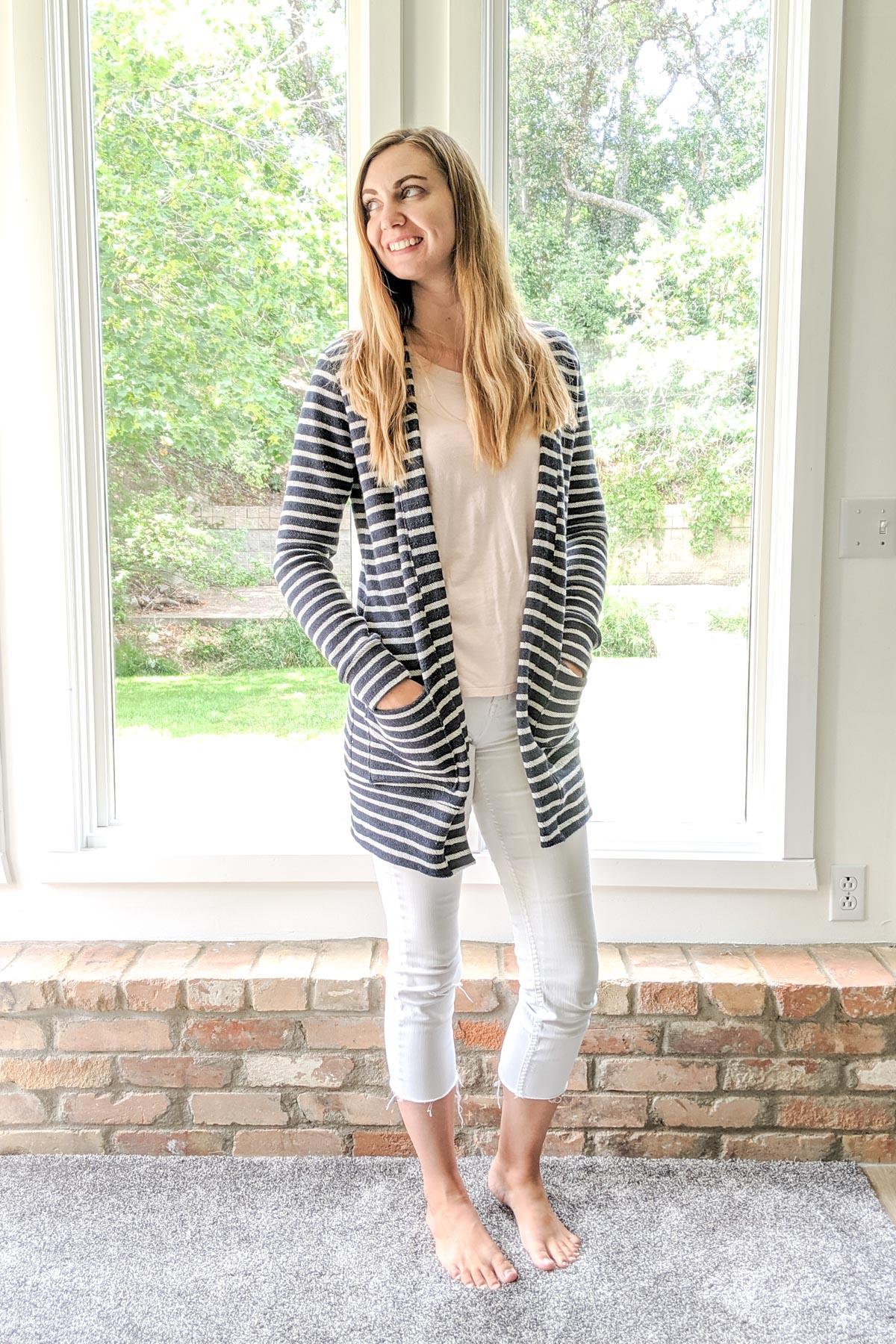
Hi Heather, do you have a pattern for the stripey cardigan you have pictured? It’s absolutely gorgeous!
This is the Blackwood Cardigan sewing pattern by Helen’s Closet Patterns. https://helensclosetpatterns.com/product/blackwood-cardigan-pdf-pattern/
Wonderful, thank you so much!
I hadn’t heard of APC fabric before–thank you! They have a really interesting collection of fabrics! French Terry is such a nice fabric to work with. I’ve had good success with universal needles too, though I love it on my serger and especially coverstitch. The only thing I don’t like are all the messy loops on edges, but the coverstitch or twill tape on a neck binding will fix that!
I need to try a universal needle with my French Terry to see if I like that better! Do you like twill tape on your neck binding?